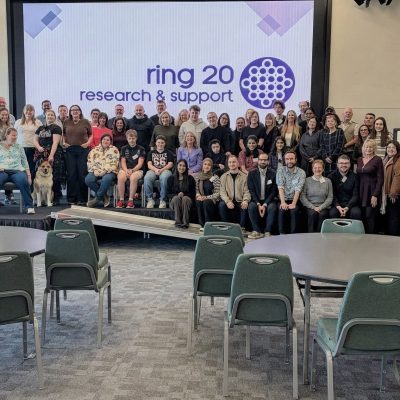











As a third-year Neuroscience student, the Ring20 Scientific Meeting and Family Conference weekend was something I had never experienced before. Previously I held the idea that scientific advances and medical progress were driven more by industry and scientists in a lab, who were researching and studying the samples and investigating any changes. However, this weekend and throughout my placement with Ring20 Research and Support I am reminded of the important role that a community, such as the Ring20 community, plays in advancing research and helping the professionals work towards a shared goal.
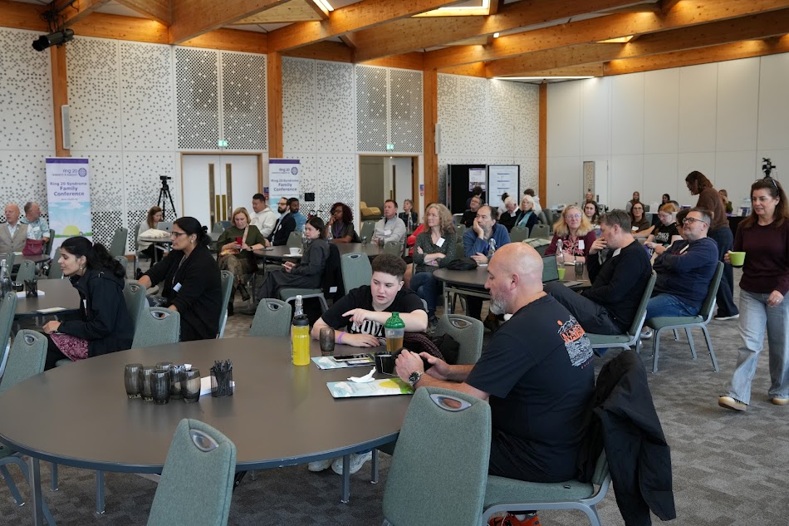
Without opportunities like this weekend, professionals may not have the same understanding of the challenges faced by individuals and families affected by Ring20 epilepsy and how the research they do can impact the community. Without the families coming together and sharing their stories within the community, the problems they face wouldn’t come to light. This is why events like these are very important to promote personal stories and drive research and investigation.
During the Scientific Meeting, there were many professionals from a range of backgrounds that came together to discuss, contribute and generate ideas to improve understanding and outcomes for those affected by r(20) epilepsy syndrome. It was interesting to see all the different areas come together and provide different perspectives and work together. The family weekend was an opportunity for everyone to gain insight into personal stories and challenges, coming together to form a supportive community where everyone can feel heard, understood and less alone.
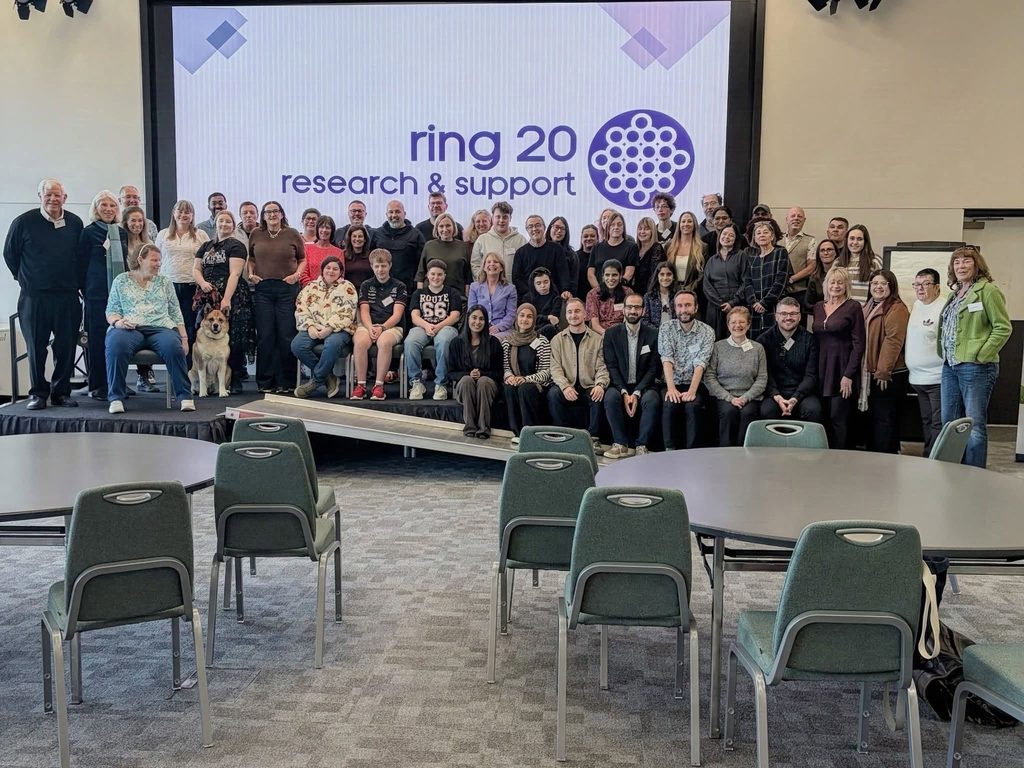
My favourite part about this weekend was seeing both of these days come together, when the panel of science experts and medical professionals were on stage and families had the opportunity to ask questions and understand more about anything they
had previously been unaware of, or specific things they were confused about. It was valuable to see families having the opportunity to ask questions and allowing professionals to hear directly from the people whose lives their work affects and aims to improve.
Overall, the weekend showed me that progress is not driven by scientific expertise alone, but also by listening, sharing experiences and working collaboratively. Without families sharing their experiences, the challenges they encounter and the areas where further support is needed, professionals may not have the same insight into what needs to be investigated. These personal experiences can help guide research, highlight gaps in current knowledge and ultimately drive improvements in care and understanding.